Interactive lake monitoring tool to be updated


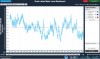
Data on rain, snowfall, ice cover and evaporation will soon be incorporated into a new online tool that shows Great Lakes water level fluctuations over the past 150 years. The Great Lakes Water Level Dashboard plots data on a graph that represents water levels of a lake the user designates. Users can even designate all of the Great Lakes at once to see their progression as a whole. But enhancements expected in as soon as a month will show rain, snowfall, evaporation and ice cover, said Anne Clites, a scientist on the project at the National Oceanic and Atmospheric Administration’s Great Lakes Environmental Research Laboratory. The tool was released in June to help researchers and answer the public’s questions about lake levels, she said.

Gas company scraps drilling plans near Au Sable River

A nine-year battle over natural gas drilling near a state-designated wilderness along Michigan’s Au Sable River recently ended when Savoy Energy withdrew its permit request. In a Sept. 6 letter to the federal Bureau of Land Management, the Traverse City, Mich.-based oil and gas exploration company declared it was no longer interested in drilling near a section of the river famed for trout fishing and old growth forest. The Michigan Chapter of the Sierra Club and Anglers of the Au Sable had sued to halt the proposal. “I was pretty happy to hear the news,” said Marvin Roberson, the Sierra Club’s forest policy specialist.

Echo commentator provides perspective on pace of Great Lakes solutions


Popular Echo commentator Gary Wilson recently took on some video work during Great Lakes Week in Cleveland. That was a meeting of several Great Lakes organizations including the International Joint Commission. In this clip Gary discusses the frustration some organizations expressed in an Echo story and elsewhere over the pace of addressing Great Lakes environmental problems.

The clip provided by Detroit Public Television also includes Gary raising that issue at a town hall featuring members of the International Joing Commssion and other top environmental officials. Also providing perspective is Patrick Doran, the Nature Conservancy’s director of science for Michigan and the Great Lakes. //

Living on lakes lengthens life


Scientists on the other side of the Atlantic Ocean determined that people who live near water tend to live longer. A research team at the University of Exeter in Great Britain found that correlation in British census data on human health and the environment. Theories for the possible link include less stress, more outdoor activity, a calmer lifestyle, and the soothing effects of sunsets and walks on a beach. Wealth was not a factor. People of limited means showed the biggest gains in life spans.

Enjoy a Great Lakes horror movie marathon


It’s enough Asian carp footage to host a movie marathon. Recently released high-definition and streaming videos of the invasive species are available for download at the Great Lakes Fishery Commission. Watch massive schools of silver carp flying toward video cameras or a barge moving past the electric invasive species barrier in Romeoville, Ill. They are just two of the multiple choices interested viewers can choose. With a run time of about 30 seconds, the Asian carp videos are sorted into four sections:

The fish in captivity
Barriers preventing the fish from entry into the Great Lakes
 Chicago waterways the fish could sneak through
Asian carp in the wild

It’s the first time such extensive filming of Asian carp has been made available, says the Ohio Outdoor News in a recent story about the footage.

Dive in and connect with nature


By Annie Perry

In 18 hours you can drive from Milwaukee to Dallas. If you break a few speed limit laws, you can get from Toledo to Orlando. You can even drive from Detroit to Chicago three times–and still have a few hours to spare. Or, you can stay close to home and swim in all five Great Lakes in one day. That is exactly what three friends and I did this summer.

Live Stream from Great Lakes Week Conference in Cleveland

Activists, scientists and government representatives have converged in Cleveland this week for the second annual Great Lakes Week. For those who cannot make it to Ohio, a live stream and commentaries on the event are available online from Detroit Public Television and WVIZ/PBS ideastream®. One of the commentators is Great Lakes Echo’s own Gary Wilson. You can hear Gary talk about key issues such as the Great Lakes Restoration Initiative and algae blooms.

Gary also was interviewed here by WBEZ in Chicago. Agencies including the International Joint Commission, the Healing Our Waters Great Lakes Coalition and the U.S Environmental Protection Agency worked together to put on the conference.

Current forecasting tool can help St. Lawrence boaters

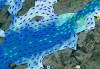
An online tool for charting water currents and depths can help St. Lawrence Seaway boaters plan safe recreational trips. The tool pools wind and water data from several U.S. and Canadian research agencies and incorporates them into a forecasting model every three hours, said Riley Young Morse program manager at the Gulf of Maine Research Institute and developer of the tool’s user interface. Boaters can click a point on a computer-generated map of the seaway closest to where they need information. This produces the current water current conditions and forecasts for that area.

Lookin’ At It crew talks carnivorous plants


In the latest episode of “Lookin’ at It: A Nature Show”, the nature-loving crew from Buffalo joins a carnivorous plant club. While Lookin’ At It creators Matt Candeias, Steve Fleck and Jason Mazurowski may have failed at differentiating the western New York carnivorous plant club from a sandwich shop, they succeeded in dishing out some awesome facts about bug-eating plants. For example, did you know that carnivorous plants don’t need to eat insects to survive? Well it’s true, according to the club out of Buffalo. Still, eating them makes them grow faster, stronger, and reproduce quicker, they said.