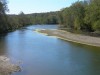
Michigan buys chunk of land in the Upper Peninsula

Kayakers, rafters, hunters, anglers and birders rejoice – the Michigan Department of Natural Resources has purchased 2,354 acres of Upper Peninsula beauty and is granting you access. The land, located near the border of Michigan and Wisconsin, was purchased from the Wisconsin Electric Power Company for $2,534,400 with money from the Michigan Natural Resources Trust Fund and DNR Land Exchange Facilitation Fund. It’s divided into two parcels — Piers Gorge and Quiver Falls. There are almost 10 miles of access to the Menominee River within the parcels. Quiver Falls is adjacent to the Menominee River Natural Resource Area, a 4,450-acre parcel managed by Michigan and Wisconsin Departments of Natural Resources.

Taking a trip to the corner store? Leave the car in the garage

If you want to save your health, money, people’s lives and the planet, the answer is simple — ride a bike for short jaunts. Researchers at the University of Wisconsin-Madison studied 11 metro areas in the Midwest to see what would happen if people stopped using their cars for short trips (five-miles round trip or less). The results should really be in the next Huffy ad (is Huffy is still around?):

Replacing half of the short car trips with bicycle rides during the warmest six months of the year would save approximately $3.8 billion annually from avoided mortality and reduced health care costs for people in the areas studied.  1,100 lives would be saved each year in the areas studied from improved air quality and increased physical activity. And (surprise!) there are benefits from just moving your body instead of sitting on your behind.

Michigan wine industry has grown and matured

In the 1970s, most Michigan vineyards were making grapes for juices. But in the past 40 years, the industry has made room for a more mature product — wine grapes. The state’s wine industry has grown by 500 percent since 1973, increased in acreage and number of wineries, attracts 800,000 visitors every year and contributes $300 million to the economy, according to Michigan State University. Michigan’s environment is good for vinifera varieties, like chardonnay and reisling; hybrid varieties, or vinifera grapes crossed with native North American ones; and native varieties like concord and niagara, according to Michigan Wines. Most wine is grown within 25 miles of Lake Michigan where wind blowing over the lake collects water vapor and deposits more snow on the opposite shore.

Former Echo reporters in the news

Two former-Echo-reporters-turned-river-nerds were featured last week on the Greening of the Great Lakes radio show talking about their new website, Michigan River News. Jeff Brooks Gillies and Andy McGlashen launched Michigan River News this summer because, well, they love Michigan and its rivers. They report original news stories and also collect river stories from across the state. But that’s not the whole story. On their website, the founders note that rivers “sustain and enrich human life … provide food and drinking water …  irrigate crops and generate electric power.”

And they’re right — rivers give us a lot.

Personal stories highlight water pollution issues in Indiana

Indiana’s most polluted rivers and lakes suffer from toxins, pathogens and too much algae. Add public shame to that list. The Environmental Law and Policy Center calls out Indiana’s dirtiest rivers and lakes on their new website, INourwater. The site highlights four areas with polluted water and two areas where conservation efforts fostered cleaner water. The Environmental Law & Policy Center is an environmental legal advocacy organization based in Chicago.

Satellite Watch: Fly through the Great Lakes aurora

This time-lapse video by NASA’s Earth Observatory was made from a series of photographs to make a cool flight simulation over the Great Lakes. See if you can spot the big cities, aurora borealis and lightning bolts (and if you get stuck, look here at a labeled NASA photograph).

Michigan gets another park honor

Michigan was recognized with another first place recently with the 2011 National Recreation and Park Association gold medal for top state park system in the nation. This honor comes after Lake Michigan’s Sleeping Bear Dunes was named the most beautiful place in America in August. The association considers long-range planning, resource management and addressing the needs of park visitors to make its decision. The other four finalist states are North Carolina, Florida and Missouri. Programs like the Recreation Passport, an optional $10 fee for Michigan drivers that renew their licenses that gives them access to all Michigan state parks, tipped the scales toward Michigan.