Alien algae alarms aquatic experts

An invasive species of algae is threatening to disrupt the ecological balance in Michigan lakes and waterways.

It’s a form of seaweed called starry stonewort.

It can increase the potential for winterkill when lakes freeze over because the algae take up oxygen that fish need to survive.

State’s resources spark culinary tourism

Miles of coastline, beautiful beaches and spectacular sand dunes. But Michigan’s wines and beers, fresh fruits, fish and other local flavors are attracting visitors as well. On Jan. 10, state organizations meet to promote culinary tourism.

Federal rules urged for ballast from ships using Great Lakes

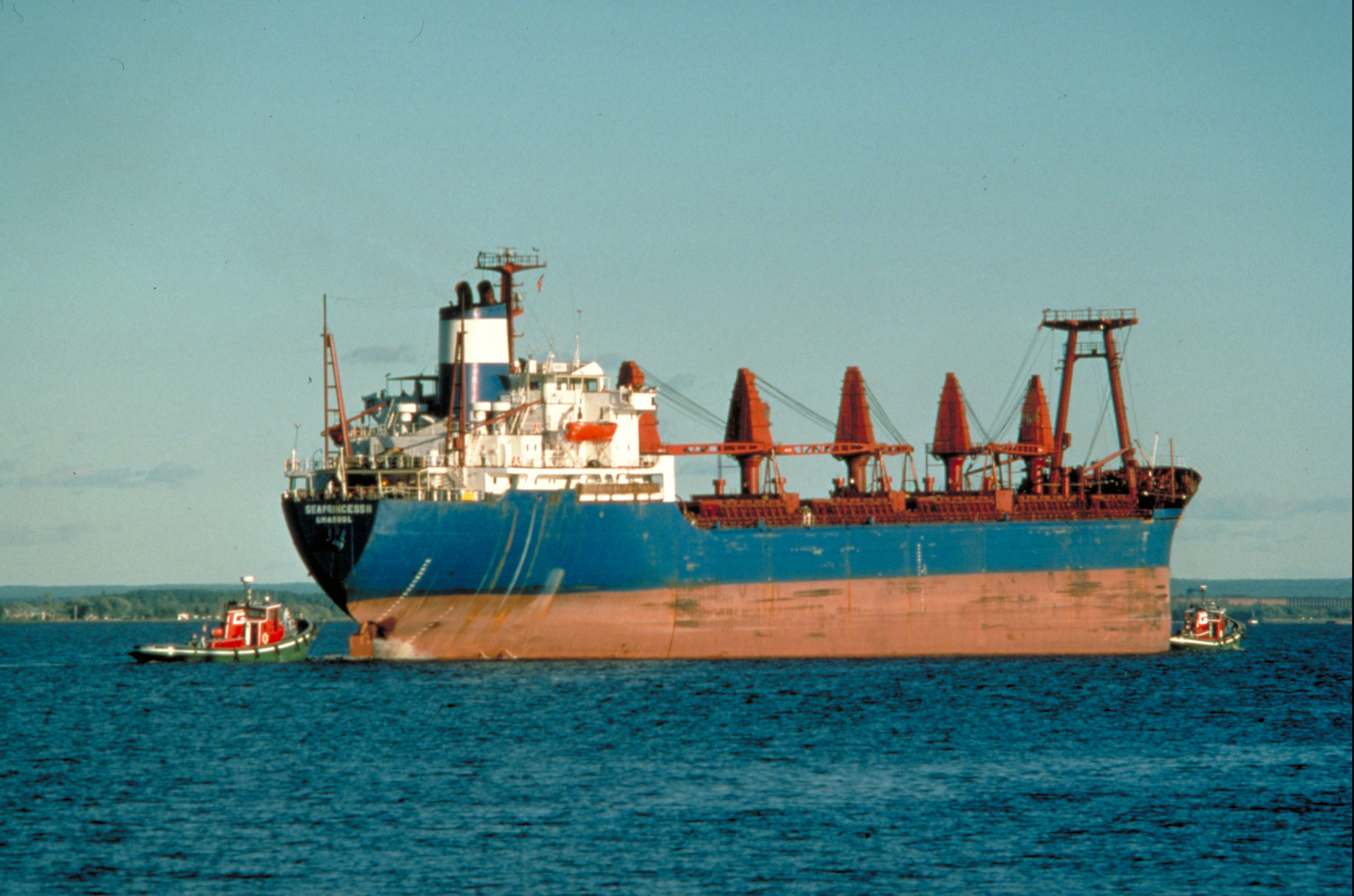
Several years after Michigan and other Great Lakes states imposed tougher regulations on ships, there’s still a call by environmental groups, biologists and shippers for federal rules.

State standards for ballast developed piecemeal, and Carl Lindquist, the executive director of the Superior Watershed Partnership and Land Trust based in Marquette, said they were a step in the right direction. But ballast water is still carrying invasive species, he said.

Michigan rail boosters push for more trains

Train ridership has reached all-time highs and President Barack Obama has proposed a big boost in federal aid to transportation. Advocates want more direct routes, an increase in the frequency of trains and schedules that better accommodate business travelers. They say paying for public transportation is far cheaper than expanding and maintaining highways.

Tribes explore renewable energy prospects

Native American tribes in the Northern Lower Peninsula and Upper Peninsula are seeking to develop renewable energy, but a lack of money is impeding many projects, experts say.

Michigan tribes have a potential for wind energy and wood-based biomass, said Roger Taylor, the principal project manager of the Tribal Energy Program.

Bill would divert water funds to brownfields

Water quality advocates are fighting legislation that would let voter-approved bond money be used for brownfield cleanup rather than water infrastructure improvement.

The money is on hand because Michigan voters in 2002 approved $1 billion in loans to improve water quality.