Skip to content
  • logo
  • logo
  • Home
  • Solutions
  • Agriculture
  • Water
  • Cities & Suburbs
  • Nearshore
  • Recreation
  • Wildlife
  • Energy
  • Waste
  • About
  • Contact

Great Lakes Echo - Environmental news of the Great Lakes region

Great Lakes Echo (https://greatlakesecho.org/tag/COVID-19/page/4/)

  • Home
  • Solutions
  • Agriculture
  • Water
  • Cities & Suburbs
  • Nearshore
  • Recreation
  • Wildlife
  • Energy
  • Waste
  • About
  • Contact
Subscribe

COVID-19

Coping with Covid-19

Greater appreciation for shipping among the consequences of quarantine

By Amelia Cole | May 15, 2020

And ping pong table will get a workout

Coping with Covid-19

Pandemic teaches appreciation

By Nyjah Bunn | May 14, 2020

Intuitive life adviser believes in opportunities rather than burdens.

Coping with Covid-19

Isolating with stocks

By Lucas Day | May 13, 2020

Northwestern Michigan College student hasn’t made a single trade but intensely tracks the market all day.
Coping with Covid-19

Post COVID-19 plans: celebrate birthday, annoy the cat

By Kurt Williams | May 13, 2020

And maybe baking will replace some TV time.

Coping with Covid-19

VA nurse manages telehealth calls

By Nyjah Bunn | May 12, 2020

Her daughter lives with relatives.

Coping with Covid-19

Covid takeaways: good night’s sleep, less planning

By Hunter Hicks | May 12, 2020

This is part of  Coping with COVID-19, a series of brief looks at people in a pandemic.

Coping with Covid-19

Chips, candy run over even after COVID-19

By Wells Foster | May 11, 2020

More reading likely to continue.

Coping with Covid-19

Reading, cleaning replaces social media and phone use

By Wells Foster | May 11, 2020

East Lansing woman hopes to keep it up after quarantine.

Coping with Covid-19

Loss of social connection challenges recovering addicts

By Lucas Day | May 8, 2020

Isolation is something that addiction wants, and without being connected, and without having support from like-minded people, the chances of people returning back to addiction are very high.
Coping with Covid-19

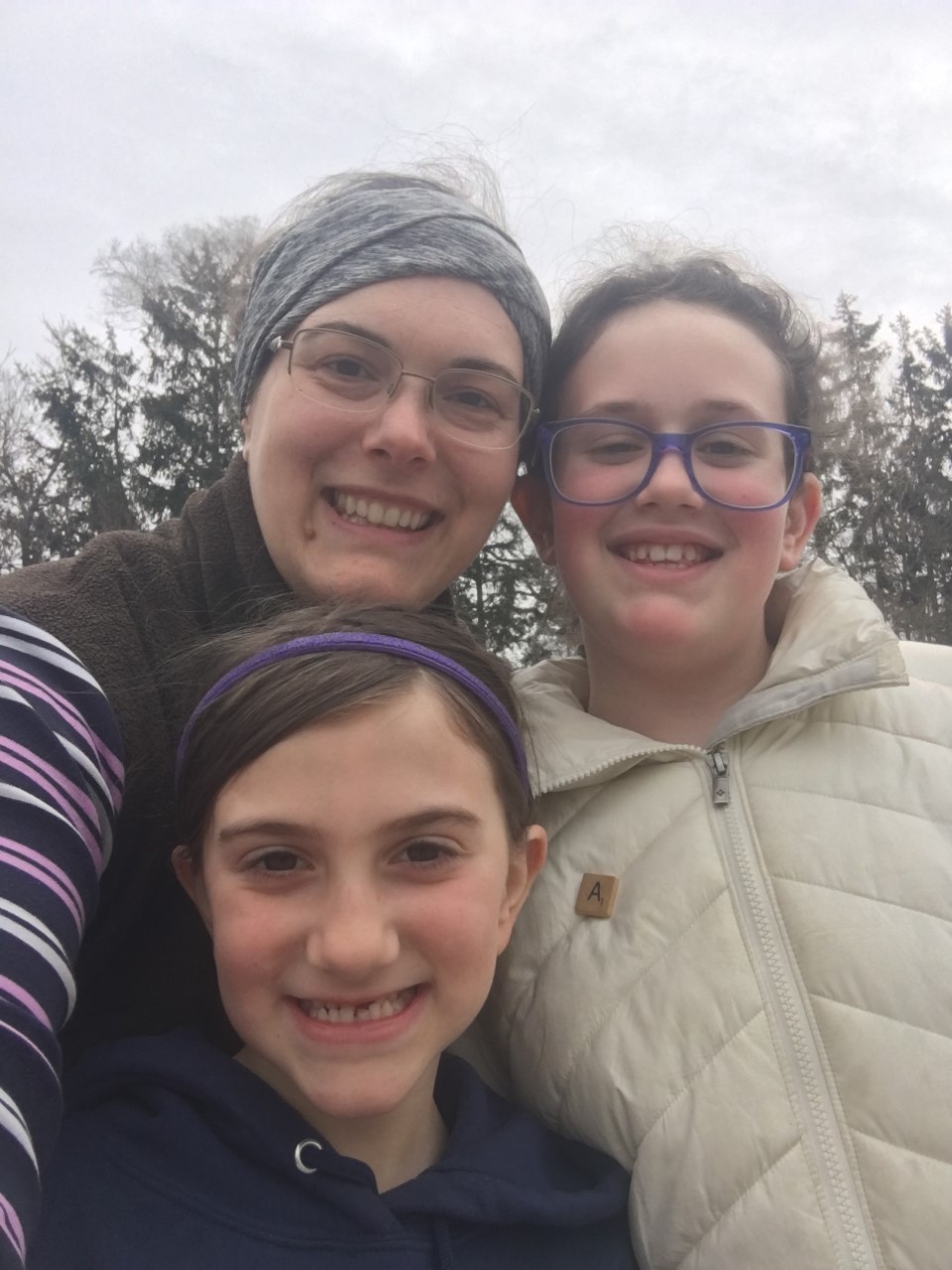
Quarantine renews teacher appreciation

By Kurt Williams | May 8, 2020

And grandma’s got some love coming her way, too.

Load more articles

About Great Lakes Echo

Environmental news of the Great Lakes region from the Knight Center for Environmental Journalism at Michigan State University.

  • Book helps residents, visitors, use Chicago’s public transit to access recreational sites

    By Joshua Kim “Chicago Transit Hikes," a new book by Lindsay Welbers, aims to help Chicago residents and visitors reach outdoor recreation sites car-free.

  • Solar projects bring larger economic gains to smaller communities, study shows

    By Isabella Figueroa Nogueira A recent study examines how solar projects could be planned in ways that benefit rural communities without significantly increasing electricity costs.

  • Miller in the woods
    Invasive species expert teaches volunteers to overcome ‘plant blindness’

    By Anna Ironside Caroline Miller is a botanical technologist at Michigan State University’s W.J. Beal Botanical Garden, as well as a master’s student. Her work has made her a driving force behind restoration projects on campus and beyond. From invasive species removal days to a growing movement to replace traditional turf lawns with native landscapes, Miller doesn’t quit.

  • Headshot of Ethan Theuerkauf
    Growth in shoreline armoring is reshaping Michigan’s Lake Michigan coast

    By Kyrmyzy Turebayeva A new study documents a fivefold increase in shoreline armoring along Lake Michigan’s Eastern coast.

  • How seeds from the past are saving a unique flower of the Great Lakes

    By Kyrmyzy Turebayeva More than 30 years ago, a group of scientists planted just 4,200 seeds of the rare Pitcher’s thistle in the sandy dunes of the Great Lakes. At the time, no one knew if the new populations would survive. Today, three decades later, the restored populations are thriving and spreading.

  • Henderson holding a swan
    From otters to butterflies: How Minnesota became a pioneer in nongame wildlife conservation

    By Kyrmyzy Turebayeva In the late 1970s, when most wildlife conservation programs in the United States focused almost exclusively on game species, a quiet but historic shift began in Minnesota. It was here that one of the nation’s first state programs dedicated to protecting so-called nongame wildlife emerged from butterflies and bats to bald eagles and river otters. That story is now told in detail by Carrol Henderson in his new book, “A National Legacy: Fifty Years of Nongame Wildlife Conservation in Minnesota."

  • Michigan’s water infrastructure sees improvements, work still needs to be done

    By Clara Lincolnhol The U.S. would need to invest nearly $3.4 trillion over the next 20 years to fix and update drinking water, wastewater and stormwater infrastructure, says researchers from The Value of Water Campaign. Much of that infrastructure was built 40 to 50 years ago and shows its age. Michigan’s is no exception. The American Society of Civil Engineers gave the state a D+ for its drinking water infrastructure, a D in storm water management and a C for its wastewater infrastructure. Funding is a major problem. Proposed data centers would put more stress on the infrastructure.

  • Mussels in a green net.
    Endangered spectaclecase mussels reintroduced into the Chippewa River

    By Ada Tussing To combat the population loss of spectaclecase mussels, researchers with both the Minnesota and the Wisconsin Department of Natural Resources released over 177 mussels into the Chippewa River in Northwest Wisconsin.

  • Michigan allocates $77 million to clean thousands of contaminated sites

    By Clara Lincolnhol Michigan is pouring $77 million into clean-up of contaminated abandoned real estate such as former factories. The director of the Department of Environment, Great Lakes and Energy says the goal is to make the cleaned-up sites safe for housing, commercial developments and other uses.

  • Winter makes curved roads dangerous; researchers seek solutions

    By Eric Freedman Flashing light on warning signs near curves can slow drivers and reduce the odds of a crash during winter weather conditions, says a new study by Michigan State University engineers.

  • Great Lakes Echo

Contact Us

Email: GreatLakesEcho@gmail.com
Phone: 517-432-1415

Search This Site

Browse Archives

© Copyright 2026, Great Lakes Echo

Built with the Largo WordPress Theme from the Institute for Nonprofit News.

Back to top ↑