Echo
Hear crickets chirping in the evening? Use them to tell the temperature
|
The steady sound of crickets chirping in the evening is a staple of a midwest summer. And with some simple math that chirping can be utilized to tell the temperature.
Great Lakes Echo (https://greatlakesecho.org/prominence/homepage-featured/page/90/)
If you are using the Newspaper or Carousel optional homepage layout, add this label to posts to display them in the featured area on the homepage.
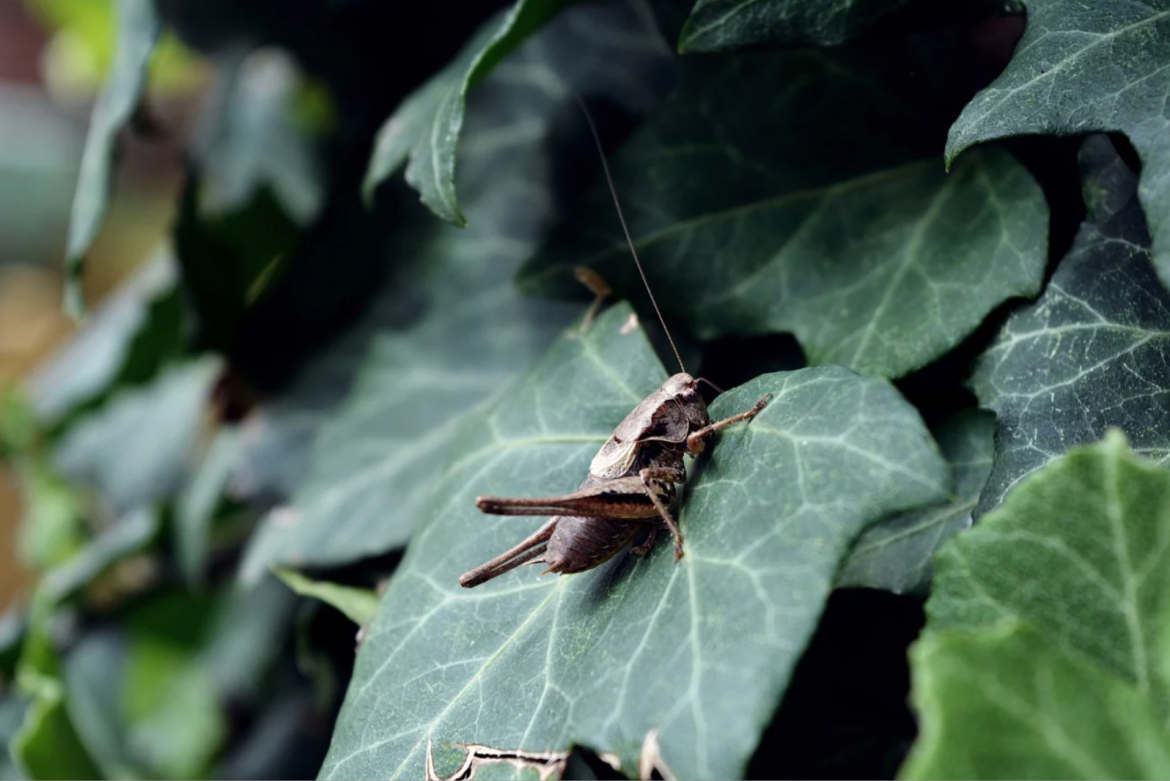
The steady sound of crickets chirping in the evening is a staple of a midwest summer. And with some simple math that chirping can be utilized to tell the temperature.

When L. David Mech arrived at Isle Royale in 1959, he had no idea he would pioneer the nation’s longest-running prey-predator study, one that would become a model for wildlife biologists around the world.

A federal judge in Ohio has sentenced an illegal slaughterhouse operator to 33 months behind bars for dumping animal blood and other “bodily fluids” into a waterway that empties into Beaver Creek and Lake Erie in violation of the Clean Water Act.
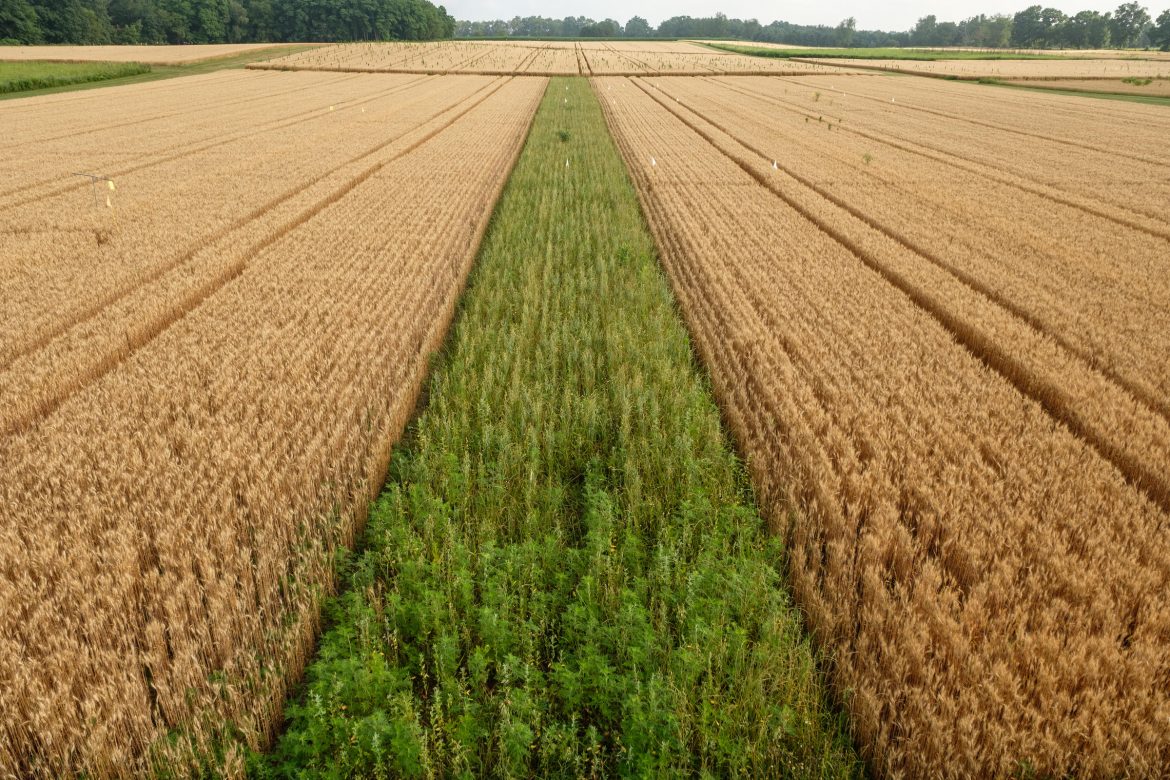
Results from a nearly 30-year ongoing study published by researchers at Michigan State University’s Kellogg Biological Station show that over the long-term, no-till agriculture produces improved crop yields.

An art exhibition and panel discussions hosted by the Detroit Center for Design + Technology that addresses climate change is available to explore online through August 15.

Toxic algae blooming in Lake Erie is creating safety concerns for humans and aquatic life prompting the state of Michigan to work with farmers to reduce the phosphorus levels in field runoff.

Located only two hours from the northern part of Metro Detroit and an even a shorter drive from Flint and Saginaw, the Huron County Nature Center is a 280-acre oasis of woods and wetlands in an area of the state known mostly for sugar beets, navy beans and the sandy beaches of Saginaw Bay.

A new study shows a glimmer of hope for bats affected by white-nose syndrome.
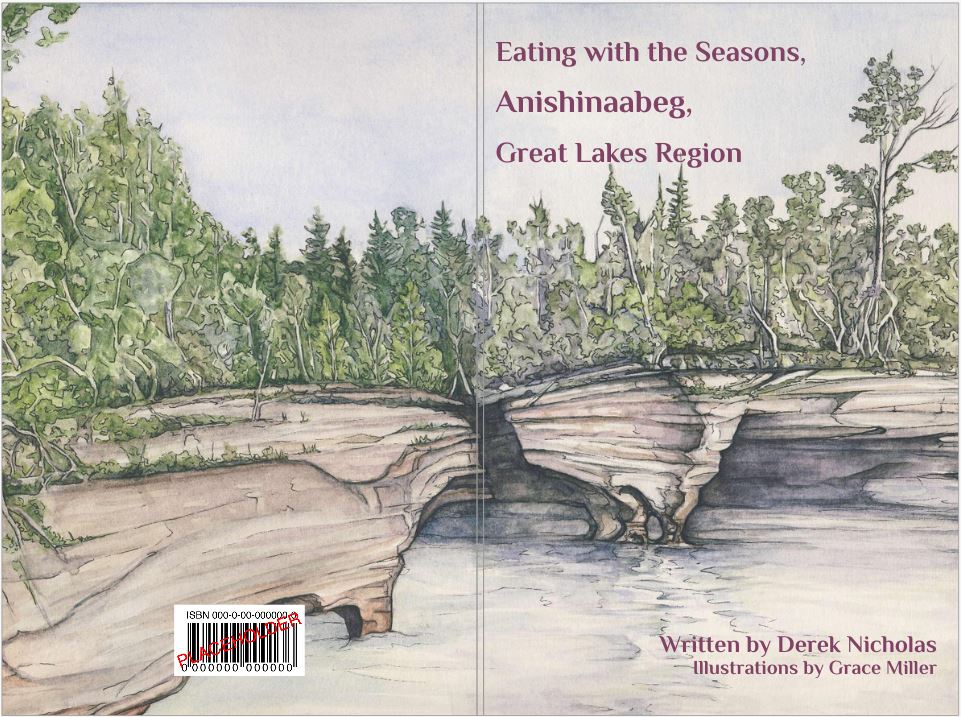
A new cookbook serves up the culture along with the food of the Indigenous people of the Great Lakes region.

As smaller dairy farms are sold to larger operations, fish farmers are finding use for their old manure lagoons.