Echo
Between government shutdowns? Great Lakes researchers struggle to carry on
|
Another shutdown could irreversibly damage research efforts and make it difficult to schedule federal boats, buoys and labs that scientists need.
Great Lakes Echo (https://greatlakesecho.org/prominence/homepage-featured/page/114/)
If you are using the Newspaper or Carousel optional homepage layout, add this label to posts to display them in the featured area on the homepage.
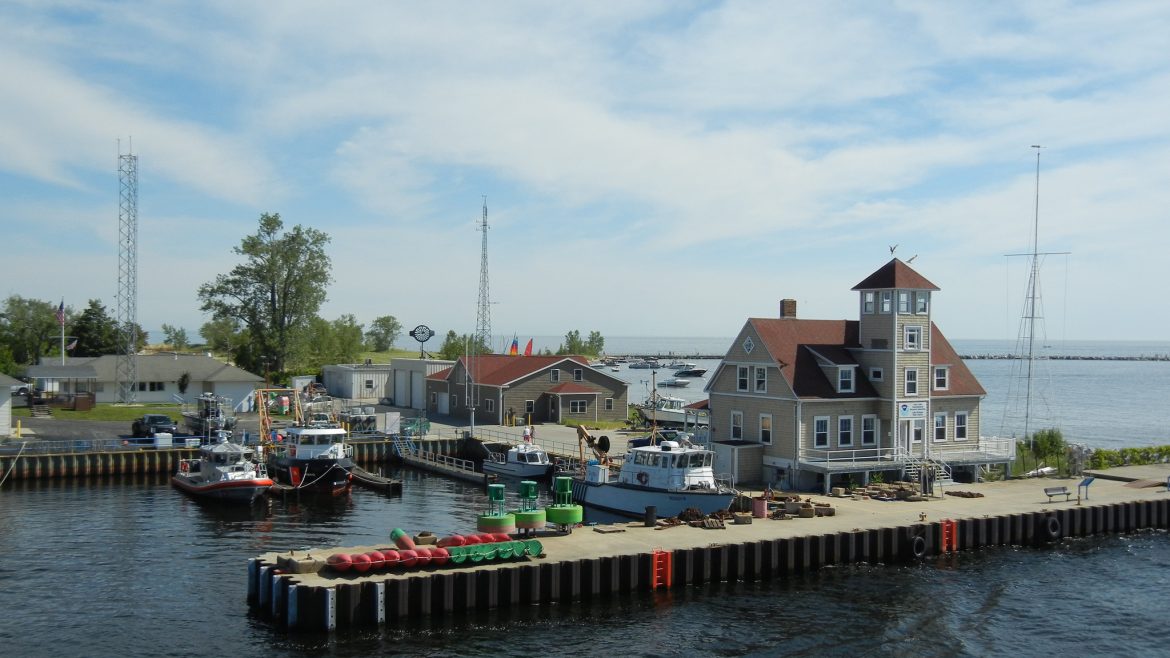
Another shutdown could irreversibly damage research efforts and make it difficult to schedule federal boats, buoys and labs that scientists need.
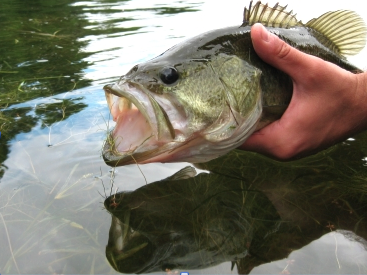
A disease that kills one of Michigan’s most popular gamefish appears to be spreading northward, worrying anglers and fisheries managers.
A new study suggests warming temperatures could jeopardize Michigan’s position as a top potato producer.

Cold weather, usually a boon for outdoor ice rinks, has forced many throughout the Great Lakes region to close.
The findings of a recent study reflect a major challenge facing natural resource agencies in the Great Lakes region: how to recruit, retain and reactivate anglers.
A proposed aquaculture project could make Michigan the first state to commercially raise African longfin eel.

Cover crops reduce erosion and help prevent nutrient runoff from farms, particularly phosphorus, from making its way to the Great Lakes and creating conditions for algal blooms.
Reflect on 2018 with us. These are the Echo stories that garnered the most visits, shares and comments in 2018.
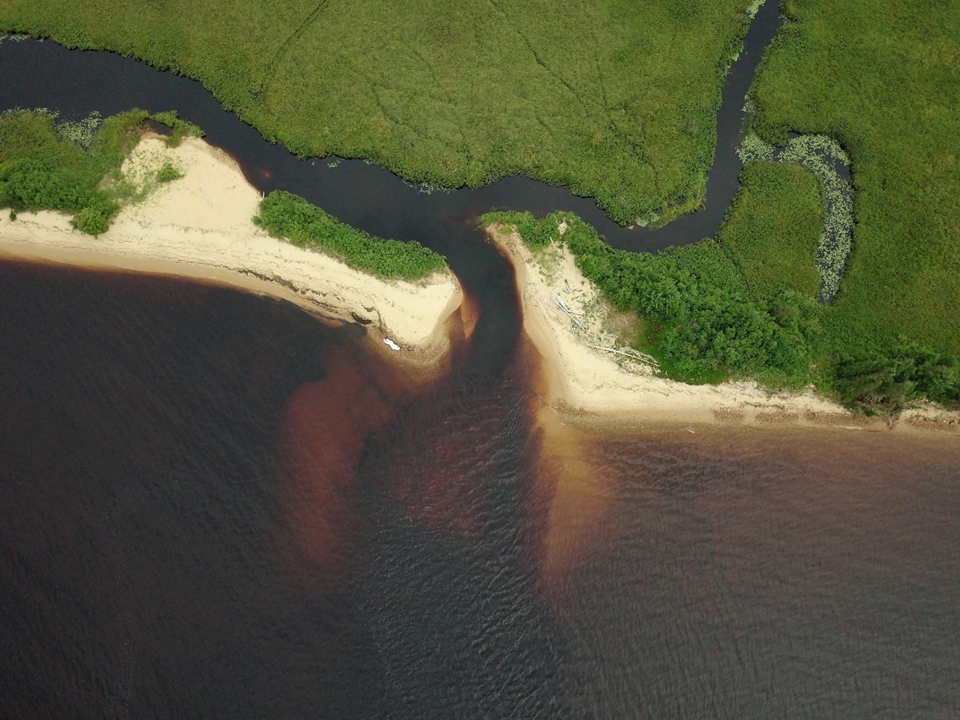
The 2,800 tributaries emptying into the world’s largest lake may affect its biochemistry and ecology more than people think.

The economic value of the cargo they helped move last winter is estimated at $875 million.