Climate
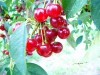
Tart cherry insurance program may arrive next year
|
Last year’s tart cherry loss has inspired a flurry of activity to explore federal crop insurance to protect Michigan growers.
Great Lakes Echo (https://greatlakesecho.org/category/climate/page/17/)
This includes climate change and stories about extreme weather. The main menu further divides this category with tags for drought and cold.
Last year’s tart cherry loss has inspired a flurry of activity to explore federal crop insurance to protect Michigan growers.
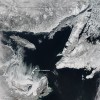
The Gulf of St. Lawrence, the outlet of the Great Lakes into the Atlantic Ocean, is building toward its annual peak accumulation of sea ice, according to a recent photograph captured from NASA’s Aqua satellite. According to NASA, each year, the amount of frozen seawater, known as sea ice, in the Arctic Ocean builds from September through February or March as surface air temperatures drop below freezing. As it reaches the peak of its expansion, it begins to form in the Gulf of St. Lawrence.

The drought plaguing the country continues to sap the groundwater and soil water of the Great Lakes region, according to new NASA satellite data. The two maps, constructed using data from NASA’s Gravity Recovery and Climate Experiment satellites, show low near-surface and subterranean water levels across the region between January 8 and 14, 2013. These satellites have been used to examine surface soil and ground water levels since they were launched in 2002. While not as low as some areas of the southeast or west, much of the region remains below the 1948-2009 average. Average levels are denoted by white space on the maps, while above-average is blue and below-average appears red.

The drought of 2012 will affect Christmas tree farmers in the Great Lakes eight to nine years from now.
That’s because the dry landscape was bad for planting new trees.
Michigan ranks only behind Oregon and North Carolina in the national tree market.
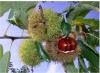
Michigan’s chestnut growers are facing the same problems other fruit growers confront this year.
The early surge of temperatures in March and the inevitable cold weather in April and May curtailed nut production, just as it did for apples and cherries.

Despite recent rains, the 2012 drought – the most destructive in 50 years – has driven many Michigan dairy farmers into “survival mode”.
The dry weather reduced crop yields, tightening the feed supply.

Wildlife is on the move in Michigan with species like black bears moving increasingly south.

The threat from a metallic green beetle is quickly spreading throughout the ash trees of the Great Lakes region.
It’s so bad that federal officials have stopped spending money on surveys for the invasive beetle.

As apple growers statewide struggle to make up for losses, experts say the ramifications of one of the toughest crop years ever could continue to harm the industry. One worry: Will seasonal workers return to Michigan?
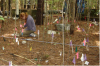
A Wisconsin forest was among the test sites where scientists found that warming temperatures will more rapidly release carbon dioxide stored in soils.
Such an increase of the greenhouse gas could make the climate heat even faster.