Wildlife
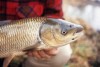
Grass carp: the overlooked Asian carp
|
There are many types of fish that fall under the Asian carp umbrella. Each brings their own unique peril to the Great Lakes basin.
Great Lakes Echo (https://greatlakesecho.org/author/admin/page/11/)
There are many types of fish that fall under the Asian carp umbrella. Each brings their own unique peril to the Great Lakes basin.
Determining the impacts of climate change is difficult.
There are hundreds of factors that determine how communities are influenced.
To understand the challenges associated with climate change, scientists use system dynamics models.
Many scientists predict that as climate change becomes more extreme, dry and coastal regions around the globe will be heavily impacted by drought and rising sea levels. Entire communities could disappear. The art project, ‘A People’s Archive of Sinking and Melting,’ documents these threatened areas.

Most people who live in the mitten state have fond memories of time spent at one of the Great Lakes. Those memories are what fuel The Great Lakes Book Project.
At the end of each month Current State check in with Great Lakes commentator and journalist Gary Wilson for updates on environmental stories from around the basin. Today’s Great Lakes Month in Review, focuses on Governor Snyder’s environmental efforts and algae blooms.
Back in 2010, Echo reported on John Hantz’s plans to build the world’s largest urban farm in Detroit.
After cutting through red tape and shifting plans to center on building an urban tree farm, the project is starting to unfold.

In an effort to increase the U.S.’s renewable energy portfolio, the wind industry has grown tremendously. Michigan is now home to just under 700 turbines, but not everyone is happy about the growing wind farm industry.

Lansing, Mich. and Madison, Wis. are two of three capital cities who will receive Green Design Assistance from the EPA. With the grant, Lansing plans to develop a park on the state capitol complex .

An important debate over urban farming in Michigan continues today in Lansing. Officials from the Michigan Department of Agriculture and Rural Development and others will discuss proposed rule changes governing farm animals in developed, residential areas.

A baby moose has moved into Lansing’s Potter Park Zoo. Willow the moose was orphaned in Alaska when her mother died after being hit by a car. When that sort of thing happens, wildlife officials in Alaska arrange to send the orphaned animal to a zoo. Lansing has been hoping to get a baby moose for about a year, and when the call came in, the zoo was ready to act.