
By Joshua Kim
A recent study explores the importance of more diverse viewpoints and ethical considerations when working in archaeology, especially involving Indigenous artifacts.
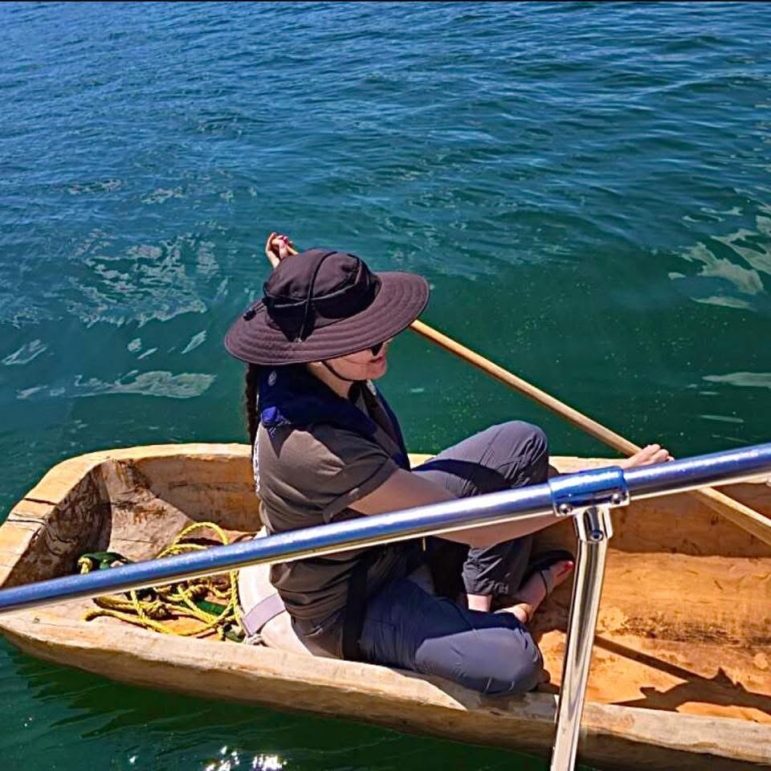
Ashley Lemke, a professor of anthropology at the University of Wisconsin-Milwaukee and one of the authors of the study, explained that when it comes to archaeology, researchers tend to focus more on the technical aspects of recovering artifacts.
Lemke said that in her field of work – underwater archaeology – ethics have often been a second thought.
“So many archaeology publications are method[s-based],” Lemke said. “How are we going to make it better, cheaper and faster? Not, are we being ethical, good anthropological stewards of underwater cultural heritage?”
While Lemke said change is happening and other university departments, including the one at the University of Wisconsin-Milwaukee, are thinking about “shaping curriculum,” it has still been a slow journey to make ethics more important in the field.
“I’ve been trained as an archaeologist, but this is a whole side of things that even the ethics haven’t been emphasised as much as you would think,” Lemke said.
Mark Freeland, a professor of anthropology at the University of Wisconsin-Milwaukee, coauthored the study.
Freeland is Bear Clan, who are police and healers in the Chippewa community, and a member of the Bahweting community.
Not following ethical practices – such as digging up Indigenous ancestors instead of letting them be – can be damaging, said Freeland.
“There’s nothing in my job title that suggests I do funerals,” Freeland said. “But when we do reburials, I’m doing funerals.”
“Anthropology literally is the study of humanity, is the definition of humans, who we are as humans. If we’re going to take that study seriously, then taking an honest look at how that discipline has treated other humans is really important.”
This lack of understanding of cultural values comes from the lack of Indigenous archaeologists, said Carlton Shield Chief Gover.
Shield Chief Gover, an assistant professor of anthropology at the University of Kansas and a citizen of the Pawnee Nation, said that stems from the viewpoints of the previous generations of archaeologists that prevented Indigenous community members from being archaeologists.
“The belief back then was that because of the past of these Indigenous communities and their connections to these artifacts and culture, they could not be archaeologists and anthropologists,” Shield Chief Gover said.
“They assumed they could not separate their cultural heritage from the work that was being conducted, that their identities as native people informed how they looked at the past, and therefore they couldn’t be unbiased.”
Shield Chief Gover also said that when it comes to understanding the “archaeological past,” engaging with tribal communities is critical because “it’s their history”.
He said that if not done carefully, the context and the archaeological record of recovered items are altered.
“Archaeology is inherently destructive,” he said. “The second that it’s out of the ground, the context is disturbed.”
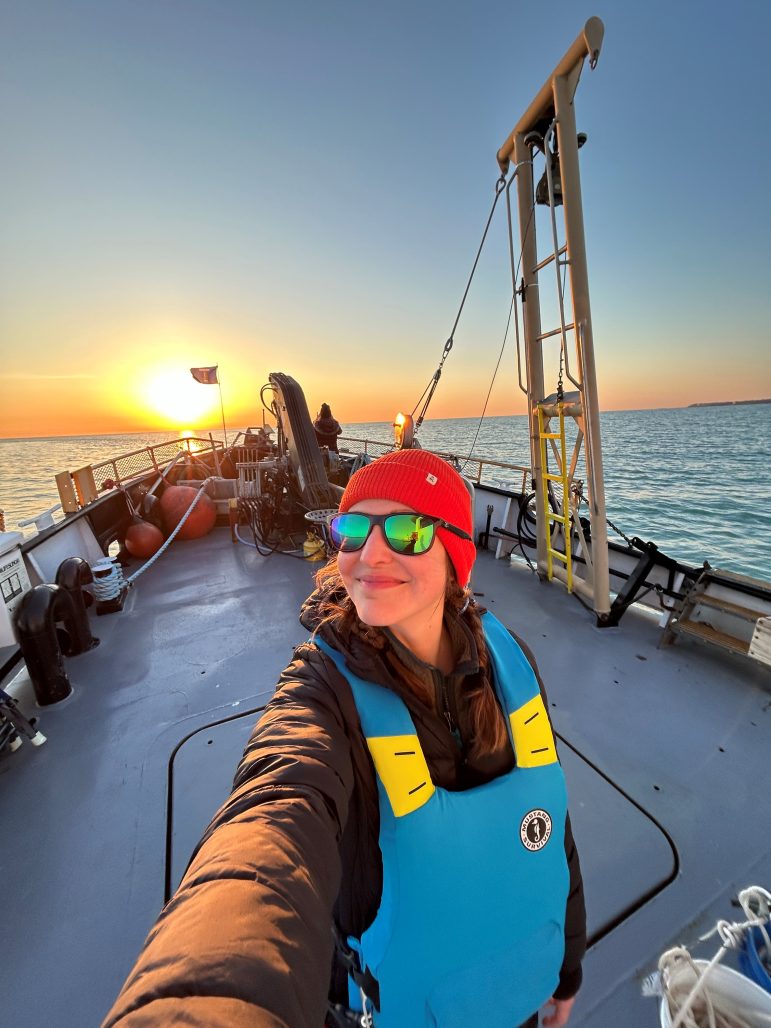
Miranda Wāqsanāhkuhkiw, a Ph.D. student of archaeology at the University of Wisconsin-Madison and member of the Menominee Nation, specialises in Indigenous pipestones, which are used in many aspects of an Indigenous tribe’s everyday life.
Wāqsanāhkuhkiw said many cultural aspects of these stone pipes require an understanding of the tribe’s culture and a careful process when handling them.
While it varies by culture, these stone pipes have been known to carry bad luck if handled incorrectly or when separated from their owner during excavation, she said.
“If we don’t consider ethics, that can sometimes provoke bad luck,” Wāqsanāhkuhkiw said.
“If we’re thinking more narrowly on sensitive items and materials or things that have been removed from a mound, those items were never meant to be removed from those contexts,” she said. “The items may be upset that they were removed from the burial they were in, or maybe a tomahawk was set in a mound next to an individual, and that tomahawk belonged to that buried individual.”
While more Indigenous people have joined the field of archaeology, Shield Chief Gover said it’s an ongoing process to have a new way of doing archaeology that is more understanding and respectful of Indigenous cultures and items.
He said that a new service model is being used to train archaeologists to work and collaborate with Indigenous communities to help them understand their history and heritage.
“They are being trained in this service model,” Shield Chief Gover said. “They use their knowledge in the service of the community that they wish to learn more about.”
“Rather than having my own personal research question and then going and looking for tribes, it’s now where the Pawnee nation can ask me, ‘Hey, Carlton, we have this question about moccasins. Can you help us understand it?’” he said.
“And I do what I can with the knowledge that I have and the tools at my disposal to answer questions with the community. So it is changing the framework of power,” he said.
Shield Chief Gover said Indigenous archaeologists provide unique perspectives for the field.
Wāqsanāhkuhkiw said she was able to give answers about an unknown artifact while studying a burial site because of her previous experience as an Indigenous community member.
“In Red Cliff, as we were cleaning items and artifacts, there was a piece of what looked like wood,” Wāqsanāhkuhkiw said. “No one could figure out what material it was or where it came from.”
“But I sat with it for a long time, more than my other fellow students, because the material felt familiar. And the more I just held it in my hand, rubbed it between my fingers, I realised this fragmentary piece of material was turtle shell,” she said.
Wāqsanāhkuhkiw said it was through her past experiences of moving turtles across roads and using turtle shell rattles during ceremonies at home that she could identify and catalogue the fragment.
Lemke said more work needs to be done to make archaeology a more ethical and collaborative field that both helps people understand the past and respects the culture and artifacts of Indigenous communities.
As archaeology continues to evolve, Wāqsanāhkuhkiw says she hopes for more collaboration among institutions and tribal communities to help ensure that Indigenous people’s artifacts and remains are respected and returned.
“I hope these older practitioners, whether they are archaeologists, museum curators and NAGPRA [Native American Graves Protection and Repatriation Act] coordinators, just listen and respect our worldview as Indigenous people and tribal nations,” Wāqsanāhkuhkiw said. “It doesn’t take a lot to make those returns ethical.”
The study was published in the academic journal Heritage.