Wildlife

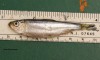
Invasive gobies staking out new territory
|
An uninvited outsider is rapidly showing up in new freshwater territory in Wisconsin–and a recent scientific study indicates the increasing impact of the small fish. Researchers at the University of Wisconsin Center for Limnology found the invasive round goby has increased 10-fold in some of the state’s lakes and rivers. In addition to the Great Lakes, the fish are now showing up in 175 miles of inland streams, according to Matthew Kornis, doctoral candidate at the Center for Limnology. Like many of the known invasive species inhibiting the Great Lakes, the round goby arrived by an ocean-bound ship and was first seen in the Saint Clair River in 1990. “The study,” Kornis says, “raises significant concern of negative effects round gobies will have or already have on Great Lakes tributaries.”
Researchers found a related dramatic decline in native fish in places where gobies thrive.