Sandy mean enough to spit Great Lakes bricks

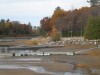
The remnants of Hurricane Sandy put Great Lakes freighters in port and surfers on the waves. And it caused Lake Erie to cough up Cleveland Stadium rubble. Tremont Electric reports that winds last week spit bricks “out onto the shore in Bratenahl.” When the stadium was demolished 15 years ago, the bricks  were dumped into nearby Lake Erie to create an artificial reef. Now apparently they are souvenirs, according to the New England Sports Network.

Did your mood drop with the leaves?

A less colorful outdoor environment could cause a less positive outlook, some experts say.

Does that mean the faster than usual loss of fall’s warm colors spell an early bout of the winter blahs?

Bill may increase energy competitiveness

The federal Master Limited Partnerships Parity Act would give renewable energy companies some of the tax and funding advantages fossil fuel companies enjoy. Advocates say that giving energy sources the same advantages improves competition and the economy.

Photo Friday: The vanishing waters of Georgian Bay

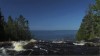
David Foote, who submitted these images, has a house in the Skerryvore community along the Georgian Bay, south of Pointe au Baril, Ontario and North of Parry Sound. The following pictures were taken in late October around the Skerryvore community. According to Foote, the area will match record water level lows set in 1964, by mid November. You can read more on the falling water levels of the Georgian Bay here.  

Photos by David Foote

[singlepic id=11 w=520 h=440 float=]

[singlepic id=5 w=520 h=440 float=]

[singlepic id=3 w=520 h=440 float=]


Skerryvore is on the eastern edge of Lake Huron’s Georgian Bay. Explore the map below to get a closer look.

Michigan ballot proposal: Energy and job years

A state ballot proposal could create nearly 75,000 Michigan “job years” by 2025, according to a recent report. The concept of a job year may puzzle Michigan voters asked if 25 percent of their energy should come from renewable sources by 2025.

Video details Great Lakes governors’ protection efforts


A video featuring former governors, scientists and policy experts details projects financed by the Great Lakes Protection Fund. The fund has committed more than $63.9 million to 245 projects to advance conservation, produce sustainable technologies and restore ecosystems in an economically viable way. It was endowed in 1989 by former Great Lakes governors with an $81 million contribution of public funds. About $4 million a year is spent on projects, which are funded by the interest off the endowment, said Amy Elledge, communications director for the fund. Featured projects include scientists designing ballast filters and policy experts discussing ways to make sustainability marketable.