Little Things, Big Problems: Aquatic invaders

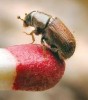
Last year, the Great Lakes Restoration Initiative began producing a series of educational videos about invasive species in the Great Lakes for the National Park Service. New videos are being uploaded this spring, and you can watch the entire “Little Things, Big Problems” series here on Echo. This video discusses invasive species in Lake Michigan and how they are affecting the food web and the health of birds.

Green Gridirons: University of Maryland

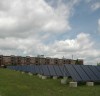
A football stadium may have green grass but does it have green habits? Each week, Great Lakes Echo highlights a Big Ten football stadium’s attempts to do the most to impact the environment the least. All schools have information on the stadium’s diversion rate – the amount of waste recycled instead of put in a landfill. Stadium: Byrd Stadium

School: University of Maryland*

Built: 1950

Capacity: 54,000

2008 diversion rate: 41 percent

Scouting report: Maryland’s “Feed the Turtle” program began in 2008 to expand food composting and recycling at home football games. The program’s name refers to the mascot of the school, a terrapin.

Little Things, Big Problems: Spiny water flea

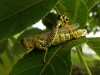
Last year, the Great Lakes Restoration Initiative began producing a series of educational videos about invasive species in the Great Lakes for the National Park Service. New videos are being uploaded this spring, and you can watch the entire “Little Things, Big Problems” series here on Echo. This video discusses the impact spiny water fleas have on the Great Lakes food web.

Michigan resources help deliver clean water to parched land

Surrounded as we are by the greatest freshwater system on the planet, even those occasional pesky dry spells rarely give us pause to consider how blessed we are.

Recent days have brought announcements that help me both appreciate our abundance and the growing scarcity of clean fresh water that faces much of the planet.