Paying more to lose water by the minute

As your water rates creep higher, nearly six billion gallons of water that you paid to treat is lost nationwide every day.

In the Great Lakes region, that means enough yearly water loss to submerge Manhattan… and then some.

Big Ten’s Eco Efforts: University of Maryland

In the spirit of our “Green Gridirons” series (but just in case college football wasn’t your thing), the “Big Ten’s Eco Efforts” series highlights creative off-the-field sustainability efforts. Students at the University of Maryland are so passionate about protecting their environment that they’re willing to pay for it. In fact, they volunteered to. In 2010 students created the University Sustainability Fund, a self-imposed $12 fee per student each year. The money is then distributed to environmental projects across campus.

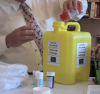
Yellow jugs keep drugs from Great Lakes

Reports continue to show increasing traces of pharmaceuticals in the Great Lakes. Until recently, it has been commonplace to simply throw away or flush unused and unwanted drugs. The Yellow Jugs Old Drugs program offers a solution to this issue.

Big Ten’s Eco Efforts: Indiana University

In the spirit of our “Green Gridirons” series (but just in case college football wasn’t your thing), the “Big Ten’s Eco Efforts” series highlights creative off-the-field sustainability efforts. In the market for a karaoke machine or a piñata? What about a tie-dye lawn chair? The Hoosier to Hoosier sale may provide you with exactly what you’re looking for. It is a reuse program established in 2010 to prevent dorm furnishings from being taken to landfills during student move-out.

Michigan residents support disaster relief after Philippine typhoon

Public interest in (and donations for) the devastating Typhoon Haiyan in the Philippines is alarmingly low compared to similar recent international disasters, a recent report says.

But some Michigan residents, like Hollyann Powers and her family, are working to make sure information gets out – and leads to action.

Green Gridirons: Ohio State University

A football stadium may have green grass but does it have green habits? Each week, Great Lakes Echo highlights a Big Ten football stadium’s attempts to do the most to impact the environment the least. All schools have information on the stadium’s diversion rate – the amount of waste recycled instead of put in a landfill. Stadium: Ohio Stadium

School: Ohio State University

Built: 1922

Capacity: 102,329

2012 diversion rate: 87.2 percent

Scouting report: Ohio State claims to have the largest stadium to have achieved zero waste, something that requires a 90 percent diversion rate or more. Ohio Stadium’s highest diversion rate was 98.2 percent, against Illinois on Nov.