Echo
Photo Friday: Lake Huron
|
To submit to Great Lakes Echo Photo Friday, send your photo, a caption and your name to greatlakesecho@gmail.com.
Great Lakes Echo (https://greatlakesecho.org/tag/echo/page/156/)
To submit to Great Lakes Echo Photo Friday, send your photo, a caption and your name to greatlakesecho@gmail.com.
To submit to Great Lakes Echo Photo Friday, send your photo, a caption and your name to greatlakesecho@gmail.com.

Nancy Michelli keeps a surgical mask in her car.
But she isn’t afraid of other people’s germs making her sick; it’s how they smell.
It isn’t body odor she is talking about. Instead, the California woman is protecting herself from the fragrances people carry in their clothing, skin and hair from hair products, laundry detergent and perfumes.

Michigan deer hunting is a $1 billion-a-year industry but last year license sales dropped 4 percent from previous years.
The state is attempting to boost hunting tourism with new campaigns like advertising that targets out-of-state hunters.

Rabies remains a problem in Michigan, with 70 animals testing positive in 2010. Most cases of animal rabies are reported in the Lower Peninsula, especially in the southeast. There were 68 positive animal tests last year, 79 in 2007 and 47 in 2001.
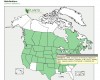
A service of the U.S. Department of Agriculture mapped the distributions of plant species in North America in addition to other plant characteristics in an online database.

A set of initiatives by the Department of Energy, Labor and Economic Growth is making it easier for communities to go green. Program goals include developing recycling and household hazardous waste programs for residents and businesses.

A team of Michigan State University veterinary students, guided by veterinarian Dr. James Sikarskie, rehabilitates birds of prey in hopes they can return to the wild.
By learning about wildlife medical care techniques, the students have helped hundreds of birds.

A 7.5-mile auto trail through Michigan’s Shiawassee National Wildlife Refuge will open in May. The trail would allow visitors to observe birds in the refuge like the bald eagle and peregrine falcon.