Echo

Protecting, nourishing fluid can also expose fetuses to chemicals
|
A life-giving fluid necessary for fetal development and health could be directly exposing fetuses to flame retardant chemicals.
Great Lakes Echo (https://greatlakesecho.org/tag/echo/page/112/)
A life-giving fluid necessary for fetal development and health could be directly exposing fetuses to flame retardant chemicals.

A small, aphid-like insect was recently found infesting a stand of hemlock trees in south central Ohio and has increased fears that it is spreading.

The feds added a Lake Ontario tributary to the dubious federal Superfund List because of toxic chemicals flowing through it. The EPA added Eighteen Mile Creek in Niagara County, N.Y., to the Superfund National Priorities List on Tuesday because it has polychlorinated biphenyls (PCBs), heavy metals and dioxins, which are all dangerous chemicals that hurt people and wildlife. Sites on the list are the country’s most hazardous, according to the federal agency. A portion of the creek was already designated a Great Lakes Area of Concern. The creek has a history of contamination, but specific sources haven’t been identified.

Scientists are finding more Great Lakes birds with high levels of mercury in them. A recent report says the increased levels are particularly found in songbirds that rely on insects for food.

Thanks to Echo correspondents Carolyn Sundquist and Sam Inglot.
Internet memes are ideas, lingo or pictures sent through the Internet. You’ve probably seen them passed around Facebook and Twitter. Check out our Monday Memes gallery.

A former meatpacking plant-turned-home for sustainable businesses on Chicago’s South Side will soon use a refurbished jet engine to power the building.

In the past five years the amount of algae in Lake Ontario has exploded to levels scientists say were commonplace 25 years ago.

The population of Michigan’s state tree has reduced drastically the past two centuries.
But ecologists are trying to repopulate it despite significant hurdles.
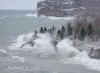
We asked Great Lakes photographers to send us their favorite and toughest Great Lakes shot. Paul Sundberg of Paul Sundberg Photography sent us these photos of before and after a winter storm in Minnesota. One of my favorite, but toughest, outdoor photo adventures
Paul Sundberg, Paul Sundberg Photography
In April of 2003 we experienced a huge storm over Lake Superior. Northeast winds came off the lake at up to 60 mph creating massive waves that collided with the rocky shoreline. Since the temperature was below freezing the spray from these waves started to cover the trees and shrubs with layers of ice.