Photo Friday: Winter cycling commute part II

Thanks to all who commented and listened to the podcast aired on Echo a couple of weeks ago: Winter two-wheeled commutes. Good news, I have some extra winter-cycling goodies for you. I ran across this photo of a valiant cyclist braving the weather in Milwaukee. I was impressed. (Catch some more cycling photos in Milwaukee from Reuters here.)

This rider could have found one these useful…

A bike plow!
Adopt-a-Beach collects 31,295 pounds of litter

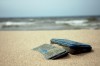
It’s like adopting a highway — Great Lakes style. Instead of cleaning up the turnpike, 10,000 residents in Illinois, Indiana, Michigan, Minnesota, Ohio and Wisconsin adopted beaches and collected 31,295 pounds of litter in 2010 as part of the Alliance for the Great Lakes’ Adopt-a-Beach program. Beach adopters collect litter on the shoreline, conduct  water quality tests and keep records that tell the alliance about beach health, possible pollution sources and other features. The alliance program was launched in 2003, though alliance volunteers have participated in the International Coastal Cleanup since 1991, said Jamie Cross, Adopt-a-Beach program manager. Results are entered into an online database.

The secret to de-icing roads: Beets and brine


Salt is the usual go-to agent for melting ice off of slippery roadways. But not at Michigan State University — They use veggies instead. For the first time last year, the school used GEOMELT a product made up of agricultural waste –  specifically sugar beet leftovers. It’s considered by the university to be more environmentally friendly, longer lasting and less corrosive to equipment. The beet stuff is used with brine — a salt water solution that’s sometimes used for pickling.

VIDEO: Tuk-tuks for transport

How do you get to work, school or your other daily activities? Possible answers (just to help you out): bus, car, bike or by foot. Wait, I missed one: electric pedicabs. Yes. A new company in Lansing, Mich.

Community battles climate change

Two organizations recently launched an energy conservation program to show how community efforts can lessen climate change in Pictured Rocks National Lakeshore. The Superior Watershed Partnership and Land Trust and Pictured Rocks National Lakeshore staff hope to prevent 165,000 metric tons of carbon dioxide from entering the atmosphere and save Alger County residents about 1.7 million kilowatt hours. They plan to do that through a $350,000 Great Lakes Restoration Initiative grant that will fund free home energy assessments, personalized home energy plans, free installation of products like energy-efficient light bulbs and coupons toward products residents can find at their local hardware stores. The team is targeting the national lakeshore’s two Michigan gateway communities, Munising and Grand Marais, but all Alger County residents are eligible. The goal is to reach community-wide adoption of these energy-saving measures by visiting 1,500 homes.

University of Michigan goes smoke free

The University of Michigan announced recently that it plans to go smoke free by July 1st of this year. Smoke free areas will include university buildings, grounds, and sidewalks next to public thoroughfares. But don’t worry smokers, even though smoking in parking lots will be prohibited, you can still smoke inside your car! Many universities and colleges around the country have implemented 100% tobacco free campuses, including more than 50 in Great Lakes states. I’m not sure how University of Michigan frequenters are going to take it.

EarthCachers discover geographical treasures and learn

Geological Society of America coordinates near Sulphur, Ind. take outdoor enthusiasts to the edge of a fossil bed full of ancient inland sea inhabitants. The society transformed the modern-day treasure hunt into an educational outdoor lesson plan. The idea is based on the popularity of geocaching–individuals hide trinkets and treasures and then disclose the Global Positioning System coordinates to others who hunt them down. Rather than caching treasure, EarthCachers collect earth science information about the sites they visit.