Wildlife
Fake reefs are good for fishing – how about for the fish?
|
While they attract fish to eat and spawn, artificial reefs in the Great Lakes need to be monitored longer to evaluate their success, according to a new study.
Great Lakes Echo (https://greatlakesecho.org/prominence/homepage-featured/page/192/)
If you are using the Newspaper or Carousel optional homepage layout, add this label to posts to display them in the featured area on the homepage.

While they attract fish to eat and spawn, artificial reefs in the Great Lakes need to be monitored longer to evaluate their success, according to a new study.

A first round match in Great Lakes Echo’s first NHL Eco Cup.
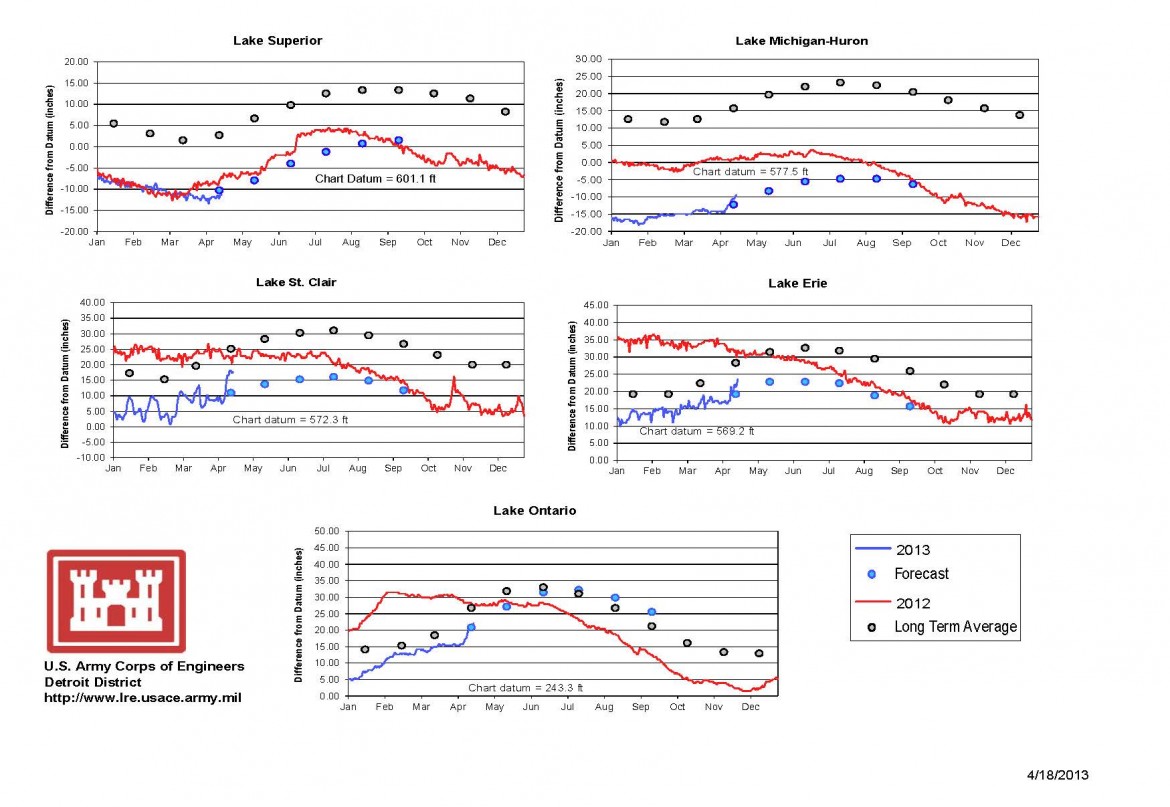
Fascinated by projects that interpret environmental data as sound, an Echo reporter turns Lake Michigan/Huron water levels into a sound communications strategy.

Creating a single sheet of ice for a hockey arena requires about 12,500 gallons of water. While the Stanley Cup playoffs continue, you can help decide which Great Lakes hockey team wins Echo’s Eco Cup for sustainability. Fill out a bracket, weigh in with your picks.

Some anglers worry about longterm harm.
Take our fish quiz.

Michigan officials continue to debate on proposals for Michigan’s future energy policy, with goals for cheap, reliable energy.

The Iron Belle trail is a proposed 1,200-mile pathway starting in Detroit and ending in the western Upper Peninsula.

Traps used to catch coyotes killing birds on hunting preserve also caught neighbor’s dog.

Michigan has been the hotbed of the endangered Karner blue butterfly. But now a changing climate threatens the blue bug.

Michigan ranked the lowest among Great Lakes scores on its most recent scorecard from the Alliance for Water Efficiency. It received a mere 3 points out of the possible 40 for water efficiency and policy.