lakes/rivers/wetlands
Milwaukee bans coal-tar sealants after study shows they pollute streams
|
The study found that as many as 78 percent of Milwaukee streams have toxic levels of polycyclic aromatic hydrocarbons, also known as PAHs.
Great Lakes Echo (https://greatlakesecho.org/prominence/homepage-featured/page/152/)
If you are using the Newspaper or Carousel optional homepage layout, add this label to posts to display them in the featured area on the homepage.
The study found that as many as 78 percent of Milwaukee streams have toxic levels of polycyclic aromatic hydrocarbons, also known as PAHs.
Edward McClelland’s new book, “How to Speak Midwestern,” claims yes, they absolutely do.

Neonicotinoids have been linked in some studies to declining pollinator population, but they are also a key tool in protecting ash trees from the invasive emerald ash borer.

Lake Erie’s western basin experiences the largest algal blooms in the Great Lakes. Thanks to a new computer model, scientists can track where and when they’ll happen.

The U.S. Forest Service busts a 70-year-old Minnesota man for stealing thousands of black spruce tree tops from the Chippewa National Forest in northern Minnesota and selling them for Christmas decorations. Edminster — whose birthday coincidentally falls on Christmas Day — pleaded guilty to stealing federal government property and faces sentencing by U.S. District Judge Wilhelmina Wright later this year.

A new book introduces readers to a compelling but disappearing landscape.
The Soo Locks are essential to the Great Lakes and the United States economy, and they desperately need to be upgraded.
A $210,000 federal crop loan wasn’t a big deal at first. Now a former Wisconsinite is on probation.
An over-the-counter pain medication could be responsible for reduced numbers of crayfish in a Michigan lake.
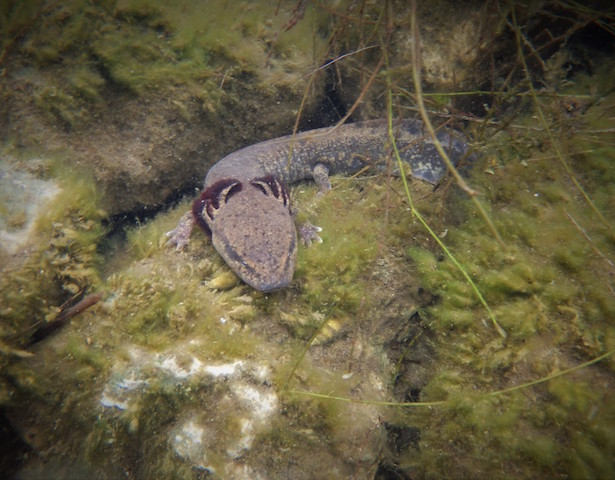
New information about mudpuppies can help researchers determine ecosystem health.