The Ludington Daily News reports that the S.S. Badger carferry is expanding its operating season until Nov. 2 to transport wind tower parts. That means the Badger will be moving parts for building clean alternative energy while under steam provided by a power plant criticized for polluting Lake Michigan. The vessel is the last operational coal-fired steamship. It travels between Ludington Mich., and Manitowoc Wis., and is under fire for dumping coal ash into the lake.
This year’s drought may make an annual effort to clean up Great Lakes beaches and shorelines a little easier, according to the Associated Press. The Alliance for the Great Lakes, an organization that works to preserve the Great Lakes, is holding the cleanups Saturday at beaches in Illinois, Indiana, Michigan and Wisconsin. This year’s cleanups will be easier because the dry weather meant fewer sewer overflows that dump trash into the water, the news agency reported. The environmental group is asking volunteers to show up at Great Lakes beaches to pick up trash. Individuals, families, schools, community, scouting and religious groups can register online to take part in the cleanups.
Activists, scientists and government representatives have converged in Cleveland this week for the second annual Great Lakes Week. For those who cannot make it to Ohio, a live stream and commentaries on the event are available online from Detroit Public Television and WVIZ/PBS ideastream®. One of the commentators is Great Lakes Echo’s own Gary Wilson. You can hear Gary talk about key issues such as the Great Lakes Restoration Initiative and algae blooms.
Gary also was interviewed here by WBEZ in Chicago. Agencies including the International Joint Commission, the Healing Our Waters Great Lakes Coalition and the U.S Environmental Protection Agency worked together to put on the conference.
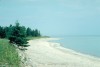
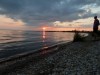
Beautiful beaches, quality fishing, and windiness helped five places in the Great Lakes region earn spots on CNN’s list of 10 of America’s best lake vacations. CNN said that Lake Superior is a prime spot for vacationing anglers, and Lake Michigan’s long shoreline provides “beaches for nearly every taste.”
Lake Michigan’s Sleeping Bear Dunes was already recognized last year by Stephen Leatherman, also known as Dr. Beach, as the Great Lakes best beach. Lake Kabetogama in Minnesota “offers more than two dozen wilderness campsites that can be reached only by boat,” the review said, making it the best for kayak or canoe camping. The publication also recognized Wisconsin’s Lake Winnebago for it’s prime windsurfing conditions and the Finger Lakes of New York for best “wine tasting.”
Other lakes on the list included Oregon’s Crater Lake, Lake Clark in Alaska and Florida’s Chain of Lakes. Lake Powell, which bridges Utah and Arizona, and Lake Tahoe, which straddles California and Nevada, also made the list.
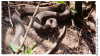
A nonpoisonous Lake Erie water snake is no longer listed as a federally endangered species. The snake’s numbers plunged as more people settled Lake Erie’s western islands, according to the Toledo Blade. Populations rebounded after federal and state agencies protected inland and shoreline hibernation and breeding grounds. Earning federal protection in 1999, the water snake is the 23rd species to be delisted, according to the U.S. Fish and Wildlife Service.
Who’s eating whom in Lake Michigan? The emergence of a few bad actors has made it difficult to answer that question. That’s why University of Wisconsin-Milwaukee researchers are studying the impact of aquatic invasive species – specifically round gobies – on Lake Michigan food webs. Gobies are a ravenous and aggressive fish species that invaded Great Lakes in the early 1990s. They subsist on tiny bottom-dwelling organisms and feed on baby quagga mussels for a side dish, scientists say.