By Akia Thrower
The 2025 State of the Birds report, an evaluation of U.S. birds by conservation organizations, showed a continued decline in bird populations across the nation.
The decline is largely due to the habitat loss of wetlands, which account for 50% of habitat loss in Michigan, according to Marnie Urso, the senior policy director for Audubon Great Lakes.
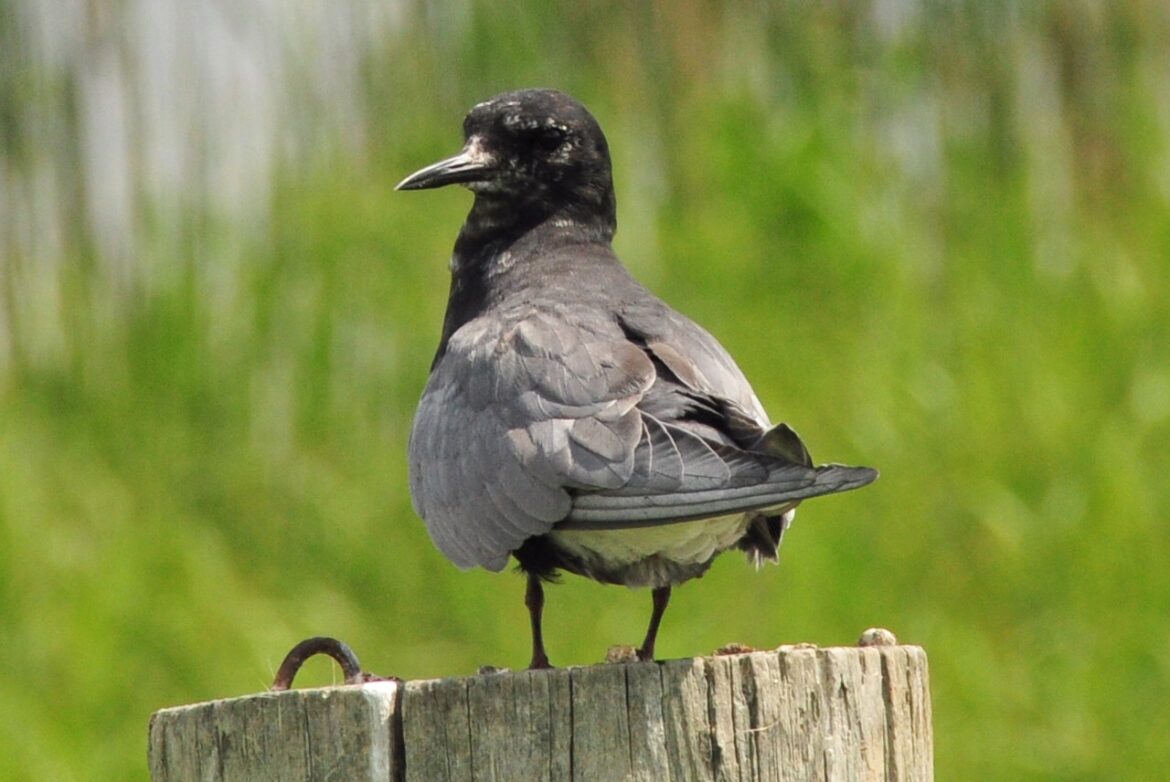
The black tern (Chlidonias niger), for example, has lost 90% to 99% of its population since the 1960s, Urso said.
“Michigan is such a vital state for wetland species,” Urso said. “In particular, secretive marsh birds, which rely on wetlands, have had a steep decline.”
On Mar. 11, Audubon Great Lakes representatives, local community leaders and policy experts gathered at Michigan’s Capitol to advocate for policies to conserve and restore critical areas in the state.
Audubon Great Lakes is part of the National Audubon Society, which was involved in the creation of the 2025 report.
As indicator species, birds provide clues about the state of the environment they live in, said Urso.
According to the report, many critically endangered birds are from the wetland and grassland areas, where habitat loss due to increased agriculture caused a staggering decline in avian populations, including the Hudsonian godwit (Limosa haemastica) and Baird’s sparrow (Centronyx bairdii), which are migratory birds that cross through the Great Lakes region.
Brian Vigue, the freshwater policy director for Audubon Great Lakes, said the organization supports the continued allocation of funds for wetland restoration and protection.
“In the budget this year for the Department of Natural Resources and statewide wetland restoration and protection, there is $2.43 million. We’re aiming to keep that $2.43 million in there, but we also want to work with legislators if they’re interested in investing more,” Vigue said.
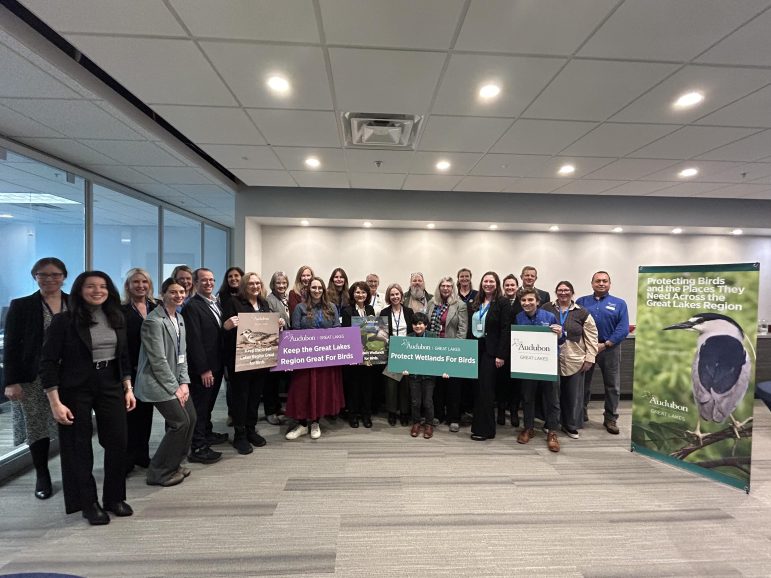
Speaking to Audubon members and community representatives, state Sen. John Cherry, D-Flint, noted the importance of investing in wetlands restoration and laws that increase hunting and fishing licenses fees to fund conservation efforts.
“Investments are the primary means by which we can impact our habitats in Michigan because we have a really good management system in the state and the laws in place are generally very good in protecting environments,” Cherry said.
Conservation-oriented bills moving through the legislature include SB 276, which would increase state fees for hunting and fishing licenses, and SB 277, which would increase the percentage of appropriations allocated to the game and fish protection account.
Cherry is a co-sponsor on both bills with Sen. Jon Bumstead, R-North Muskegon.
Cherry said the state has invested in the DNR budget for wetland restoration through hunting and fishing licenses. Another bill on land conservation is SB 289, which appropriates money for the Natural Resources Trust Fund and is co-sponsored by Cherry, Bumstead and Sen. John Damoose, R-Harbor Springs.
“These projects oftentimes are protecting critical habitats, piping plover habitats brought into protection and larger protection from development. This bill helps make sure that we are preserving habitats that exist in Michigan for not just birds, but many species,” Cherry said.
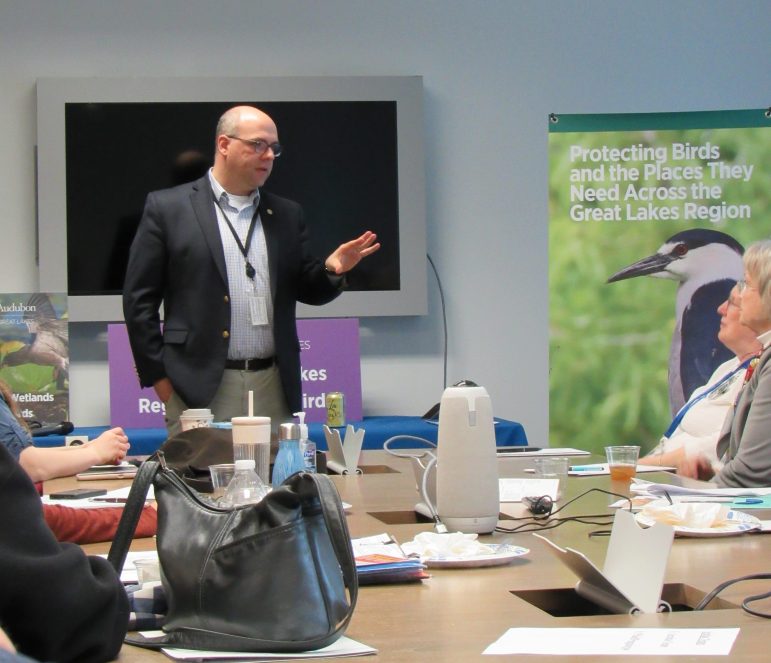
Kylie McElrath, the Michigan conservation manager at Audubon Great Lakes, said the public has a number of ways to support wildlife conservation and restoration efforts for birds.
“Anyone can reach out to their local legislators and raise awareness for the importance of these policies, and share their stories. I also encourage people to reach out to local conservation organizations if they want to participate in on the ground stewardship activities,” McElrath said.
According to the report, birds strengthen American communities with birders participating in citizen science through apps like Cornell University’s eBird and boosting local economies.
“People can also partake in citizen science and go out into your local areas or anywhere and record the birds you’re seeing. That’s all valuable information that scientists with Audubon and other conservation organizations use to support that we’re doing and inform the work that’s needed,” McElrath said.