
By Joshua Kim
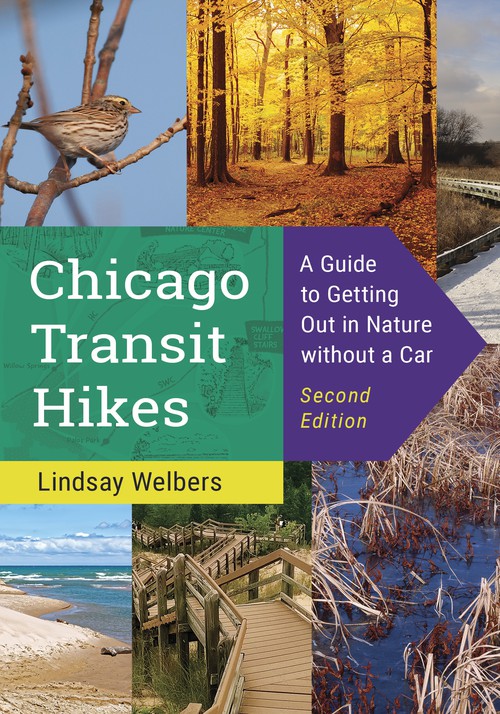
“Chicago Transit Hikes” (University of Illinois Press, $18.95), a new book by Lindsay Welbers, aims to help Chicago residents and visitors reach outdoor recreation sites car-free.
The Greater Chicago area offers a wide range of public green spaces and recreation sites. However, many residents, especially newcomers, do not know how to access them without a car, Welbers said.
“It was my goal, and I hoped I achieved it, that an absolute rookie – maybe they’ve never been to Chicago before, never been on Metra – I like to think that I gave them all the information they need to navigate that system as successfully as possible,” Welbers said.
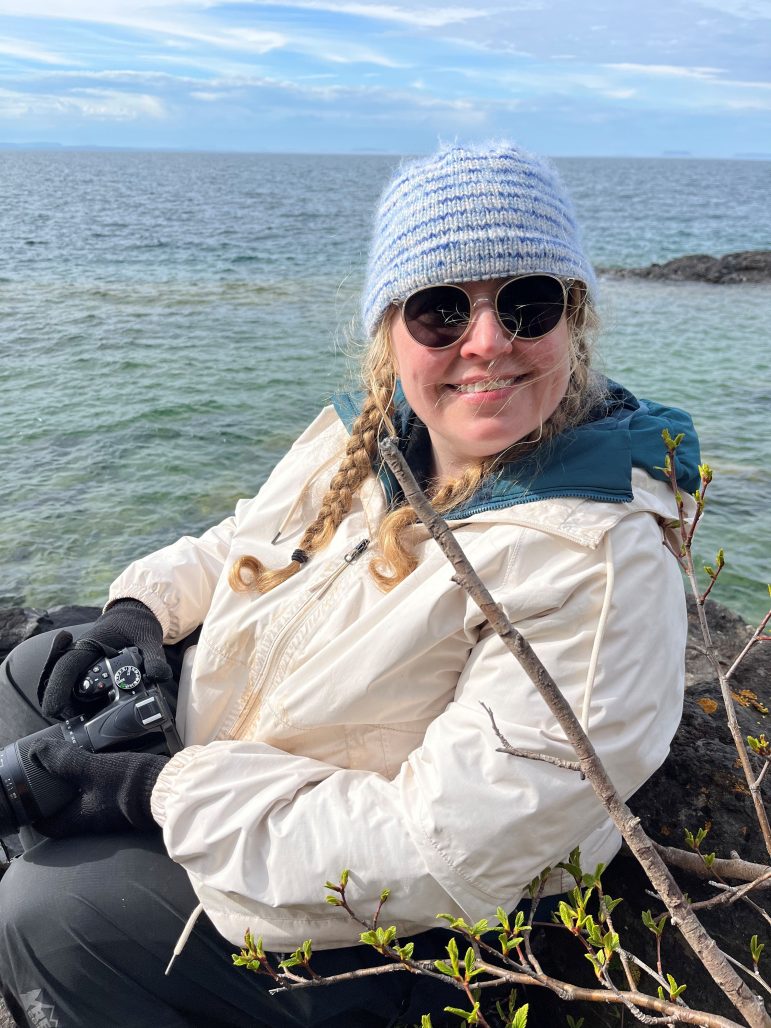
In the book, Welbers details which stations to get on at, which lines to take, which stations to disembark at and roughly how many miles there are from the station to the site.
Welbers said that she first started writing the book when she moved to Chicago in 2006 and she needed a car-free way of getting to her hiking spots.
“I don’t want to drive if I don’t have to,” Welbers said. “Sitting in traffic is the worst.”
“There are people who say cars ruin cities. If we take that as true, then they do much worse when we are going to spaces that are beautiful and are worthy of preservation.”
“I understand how we got here and inherited this system, but that does not mean we cannot improve on it,” she said.
Welbers focuses on Metra, the train system that connects the six counties of the Chicago area with downtown Chicago.
However, Welbers said that there are weaknesses in the system that make regular use of the Metra network difficult for the public.
Welbers said that while the infrastructure is there, the lack of frequency and Metra’s reliance on a commuter-based model deters people from using the train.
“In terms of the Metra, I think they are working on it,” Welbers said.
“If Metra called me up and said, ‘Lindsay, what can we do?’ I would say the trains need to run more frequently and stop focusing on the office commuters and start focusing on getting people every day of the year. Not just Monday through Friday – especially for families with kids or Grandma who do not want to walk too far.”
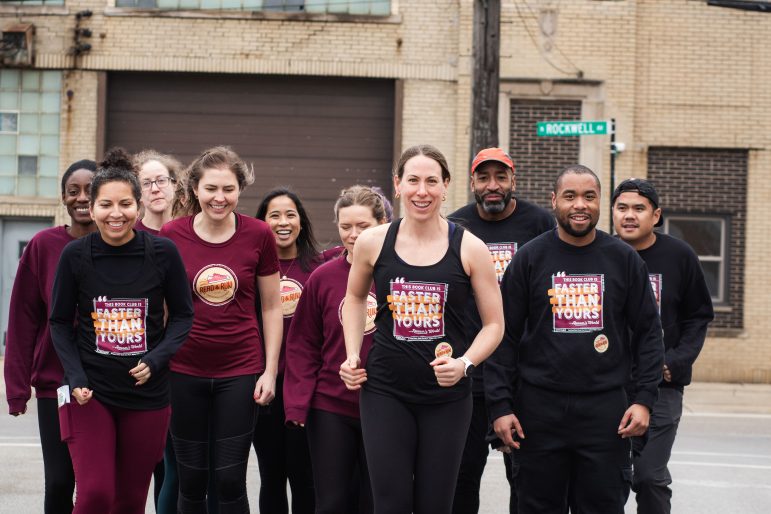
Allison Yates, the founder of Read & Run Chicago, a community organization that organizes running tours around Chicago based on books and book-based events, said some areas lack access to public transit.
The transit agencies have been facing limitations in making their service as efficient and reliable as possible.
Even so, Welbers says that the transit system has improved, efficiency has gotten better and transit agencies have been finding solutions to their problems.
“There is a lot that is working,” Welbers said. “The bus system is really great right now. The headways of the [Chicago Transit Authority] have improved. I don’t think I have waited more than 10 minutes on the train for months.”
Public transit is one of the main sources of transportation in the Chicago region.
Jessica Cabe, the communications specialist for the Regional Transportation Authority, noted that because cars are expensive to maintain and detrimental to the environment, public transit is crucial for many residents.
Cabe said the RTA has taken similar steps to Welbers to guide users on how to take public transit to excursions and made that information available on its blog.
“The RTA, within the last three years, rolled out a series on our blog, sort of like a ‘How To Take Transit’ series,” Cabe said. “How to take transit to sporting events, how to take transit to enjoy the outdoors and how to take transit to enjoy the holidays.”
“These are some of our most read blog posts because a lot of folks might Google these kinds of things if they are interested, and so we are there with that information and share it on social media and in our newsletter.”
Welbers says that one of her goals was to help others find alternative methods of getting to recreational areas and has received positive feedback from readers who have used her book.
Welbers said, “I have met people who came up to me to say, ‘I moved to Chicago. I was hesitant to move because I love where I lived in all these outdoor spaces, and your book has helped me make that transition.’”
“I was so happy to hear that because we have this reputation that it’s glass and steel, but we also have some of the most magnificent outdoor spaces and they are integrated almost everywhere in the city.”